A Major National Win for Housing Development
The wildly bipartisan 21st Century ROAD to Housing Act has passed. Here are the major wins that will help communities across America build Strong Towns.
If you’ve ever wondered why building even a small home can feel like navigating a maze of rules, delays, and costs, you’re not alone. Communities across the country have been stuck in a housing system that makes it hard to build anything, especially the small, incremental homes Strong Towns champions.
But something big just happened.
On July 11, 2026, the 21st Century ROAD to Housing Act became law. It’s one of the most significant national housing reforms in decades, and it includes several changes that could make it meaningfully easier for communities to grow in a financially resilient, bottom-up way.
Here’s what’s in the law and why it matters for building Strong Towns.
Reforming Manufactured Housing
The New Law: For decades, manufactured homes had to be permanently built on a steel frame so that they could be transported, even when the home wasn’t going anywhere. Manufactured homes show up everywhere, from small backyard cottages to cost-effective starter homes.
That steel frame rule made homes heavier, more expensive, and harder to stack or customize. Imagine trying to build a small duplex or a two-story cottage with a giant steel beam running through it. Nearly impossible.

The ROAD to Housing Act permanently removes the requirement that manufactured homes be built on a steel frame, eliminating an often unnecessary construction step, lowering costs, and enabling multi-story structures.
Strong Towns Principle: Accessory housing (such as manufactured homes and accessory dwelling units) is one of the most powerful tools for restoring affordability to communities.
Accessory units allow neighborhoods to grow gently and increase housing supply without large, disruptive projects. Allowing more flexibility in construction is a huge step towards affordability and empowering citizens to build their places from the bottom up.
Environmental Review Exemptions for Small-Scale Housing
The New Law: If you’ve ever tried to build an ADU or renovate a small lot, you know how fast a simple project can get tangled in red tape. NEPA reviews are important for big projects like highways, pipelines, major infrastructure, but they’ve also been applied to low-impact housing builds that pose no environmental risk.
The ROAD to Housing Act exempts small housing projects that do not have a significant environmental impact from NEPA reviews. So, if you want to build on an empty lot between two existing row homes, you no longer risk having to go through a lengthy process to get permission.
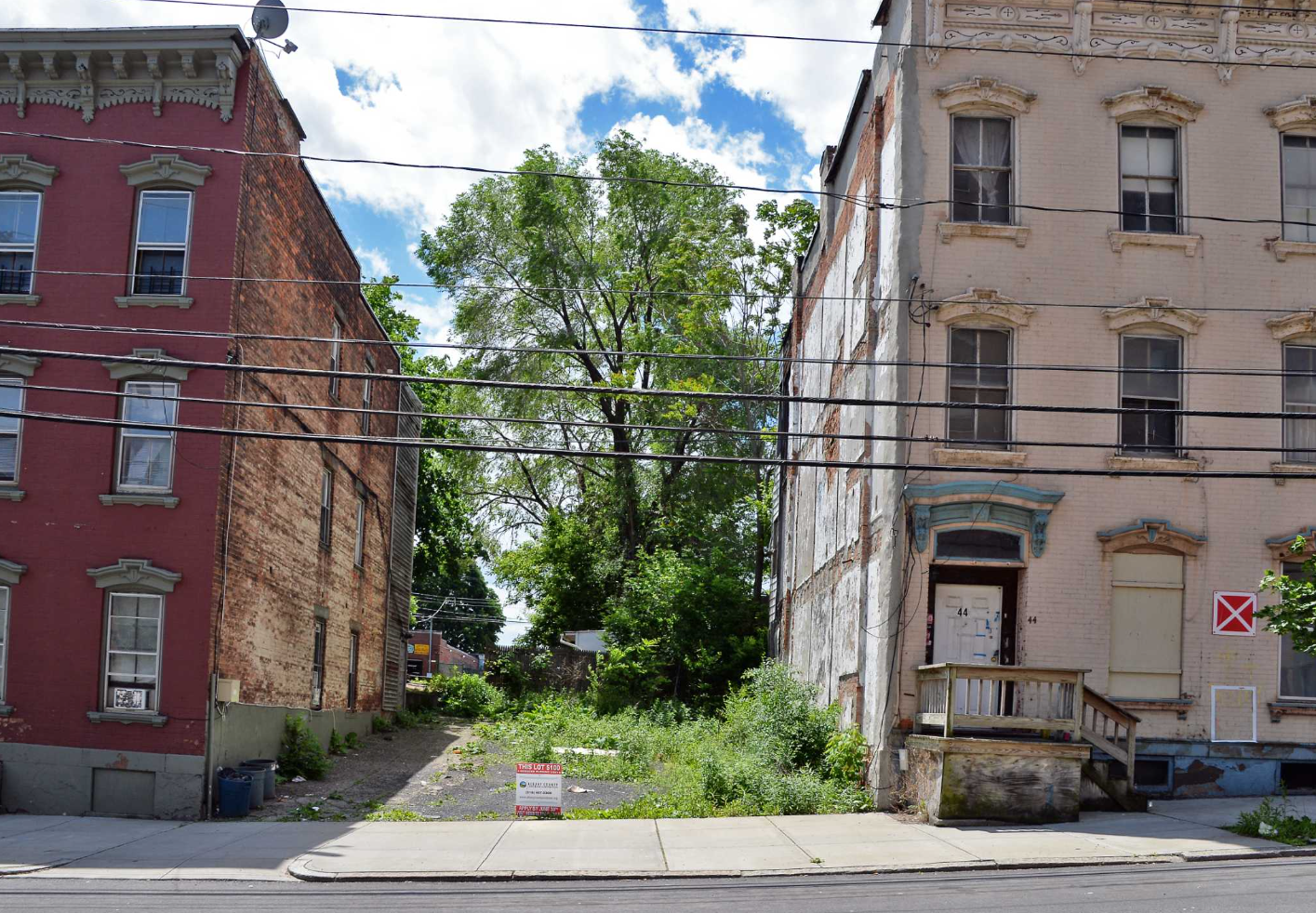
Housing advocates from both parties agree that NEPA reviews have historically caused costly delays for housing developments. In the face of a housing crisis, these exemptions aim to cut the red tape for small, routine housing projects and get people building.
Strong Towns Principle: When used incorrectly, environmental regulations can create development hurdles that pose major barriers to building much-needed housing. In a Strong Town, regulations should be straightforward to navigate and proportionate to the project's scale and impact so that housing can respond rapidly to local needs.
Exempting small-scale housing and infill projects from environmental reviews intended for major infrastructure is a major win toward ensuring routine, low‑impact housing projects aren’t stalled for years under review.
Pre-Approved Housing Plans
The New Law: Preapproved plans mean a homeowner could walk into city hall, pick a design off the shelf, and start building. There are no architects needed, no months-long reviews, no guessing games. That’s a game-changer for small-scale builders.
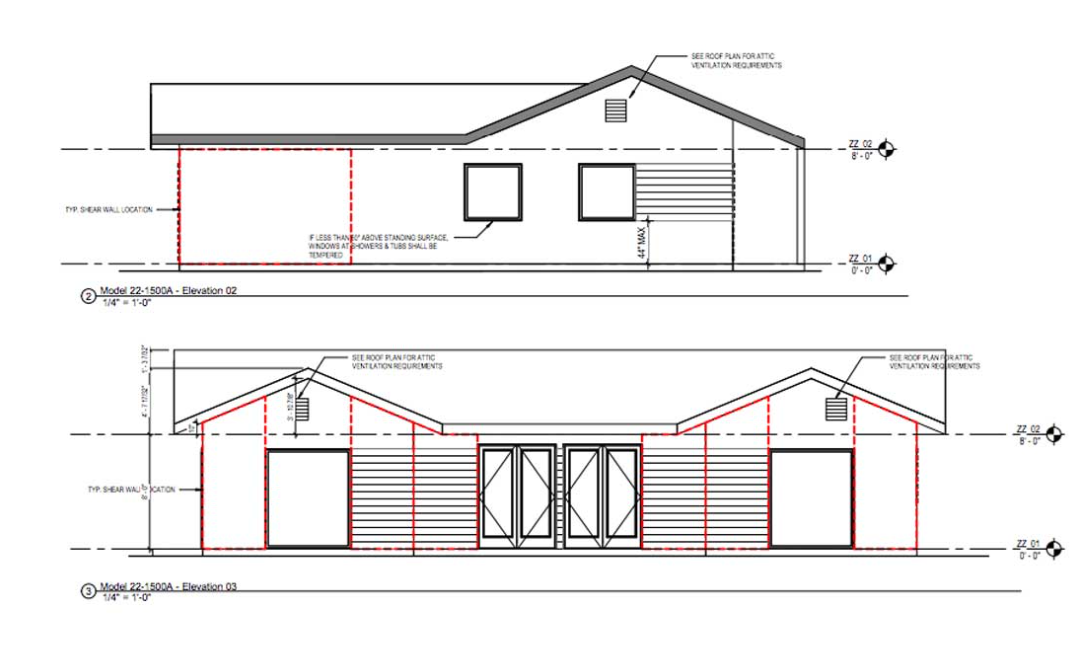
Federal pre-approved housing existed previously, but the plans were uniform nationwide. The new legislation helps states to establish their own housing templates that make sense for their local communities.
That means states can create templates based on their own climates and architectural styles. Most meaningfully, it means pre-approved housing plans will become more available, and for a homeowner or small builder, this can shave months off a project and thousands off design costs.
Strong Towns Principle: Pre‑approved housing plans can dramatically reduce permitting delays, lower costs, and enable small-scale, incremental builders to participate in housing production. Without being crushed by regulatory complexity, many small actors can build modest homes in response to localized demand.
And Much More…
These are just a few highlights from the ROADS to Housing Act. There are also initiatives to modernize banking rules to expand local lending, federal incentives for local zoning reform, and new programs to convert vacant commercial/industrial buildings into housing. If these reforms work as intended, they could unlock thousands of small projects across the country.